Infographics: Pictures That Tell A Story…
What is an Infographic?
The term Infographic is a portmanteau of two terms, “Information” and “Graphics,” and describes the visual representation of data. Infographics help communicate complex information in a digestible manner, as they creatively present data in an understandable and engaging format.
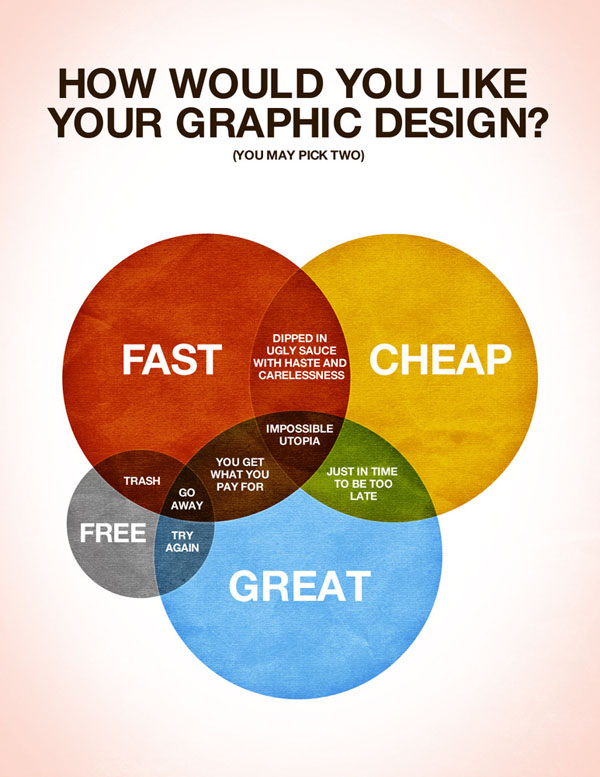 As web users, with our diminishing attention spans, we’re inexorably drawn to these shiny, brightly colored messages with small, relevant, clearly-displayed nuggets of information. They’re straight to the point, usually factually interesting and often give you a wake-up call as to what those statistics really mean. Here are some examples to fire up your i-graph engines…
Example: An Infographic that’s all about YOU
Intel’s “What About Me?”
Intel’s What About Me? is an automatic infographic generator that connects to your own Twitter, Facebook and YouTube accounts to create a profile infographic about you.
Social media users know that discovery is half the fun. With What about Me? you can capture a snapshot of your social media life and create your own colorful image, full of clues and facts about one of the most fascinating subjects in the world — YOU!
The chipmaker’s new “What About Me?” app culls info from your Facebook, Twitter and YouTube profiles to crank out a data visualization of your composite social media profile.
For instance, there’s a graphic that looks like a flower that tracks your interests based on what you tweet and write status updates about. There’s also a record of your most popular post ever and your most popular pic, your ratio of self-created updates vs. found information and “likes.”
More great Infographic examples
Free Online Tools For Creating Infographics
-
Hohli
Hohli is an intuitive, simple online chart maker. It’s incredibly easy to pick your chart type, add some data, vary the sizes and colors and see the finished chart.

Creately
Creately lets you design easy-to-make diagrams and flow charts. You can choose from a number of purpose-designed diagram types and quickly add your data to make your own chart. The end result looks very professional.

New York Times
New York Times’ Visualization Lab lets you use statistics from recent NYTimes articles to create visualizations in various formats. You can also see other people’s visualizations and see how other people choose to display the same data.

Many Eyes
Many Eyes lets you upload your own data or use data already stored on the site. The visualizations themselves are well-designed and very professional-looking. This is definitely the easiest way to use your own data for online visualizations.

Google Public Data
Google Public Data lets you easily take public data and transform it into an infographic of your choice. These beautiful, colorful graphics simplify and communicate the data perfectly.

Wordle
You may have seen my earlier post on Wordle, which lets you create word visualizations using text you enter. There are plenty of interesting designs to choose from. Enter whole books, short passages or see what other people have used. In this example, we can see the US constitution visualised.

Free Software For Creating Infographics
Tableau
Tableau is a free Windows-only software for creating visualizations. As you can see, these impressive graphs are colorful and quite unique.

Great tutorials on infographic creation:
- How to Create Outstanding Modern Infographics
- Infographic Designs: Overview, Examples and Best practices
- Tutorial: Create Cool Infographics
- 10 of my Favourite Infographics
- 40 Useful and Creative Infographics
- Seven and a Half Steps to Successful Infographics
- The Anatomy of an Infographic
- 10 Tips for Journalists Designing Infographics



 Susan E. Hendrich