Future-Proof Your Career: Core Skills You Need for 2030

What skills will you need to succeed five years from now? The future of work is rapidly evolving, and the World Economic Forum’s Future of Jobs Report 2025 highlights the crucial skills we need to thrive in 2030. According to the report, analytical thinking is the most sought-after skill, with 7 out of 10 companies considering it essential in 2025. But it doesn’t stop there. Resilience, flexibility, agility, leadership, and social influence are also crucial. What about Artificial Intelligence (AI) and big data? Yup, it’s no surprise that these elements of technological literacy will be in high demand. But among my favorites are creative thinking, curiosity, and lifelong learning, along with motivation and self-awareness. These are skills we can build today!
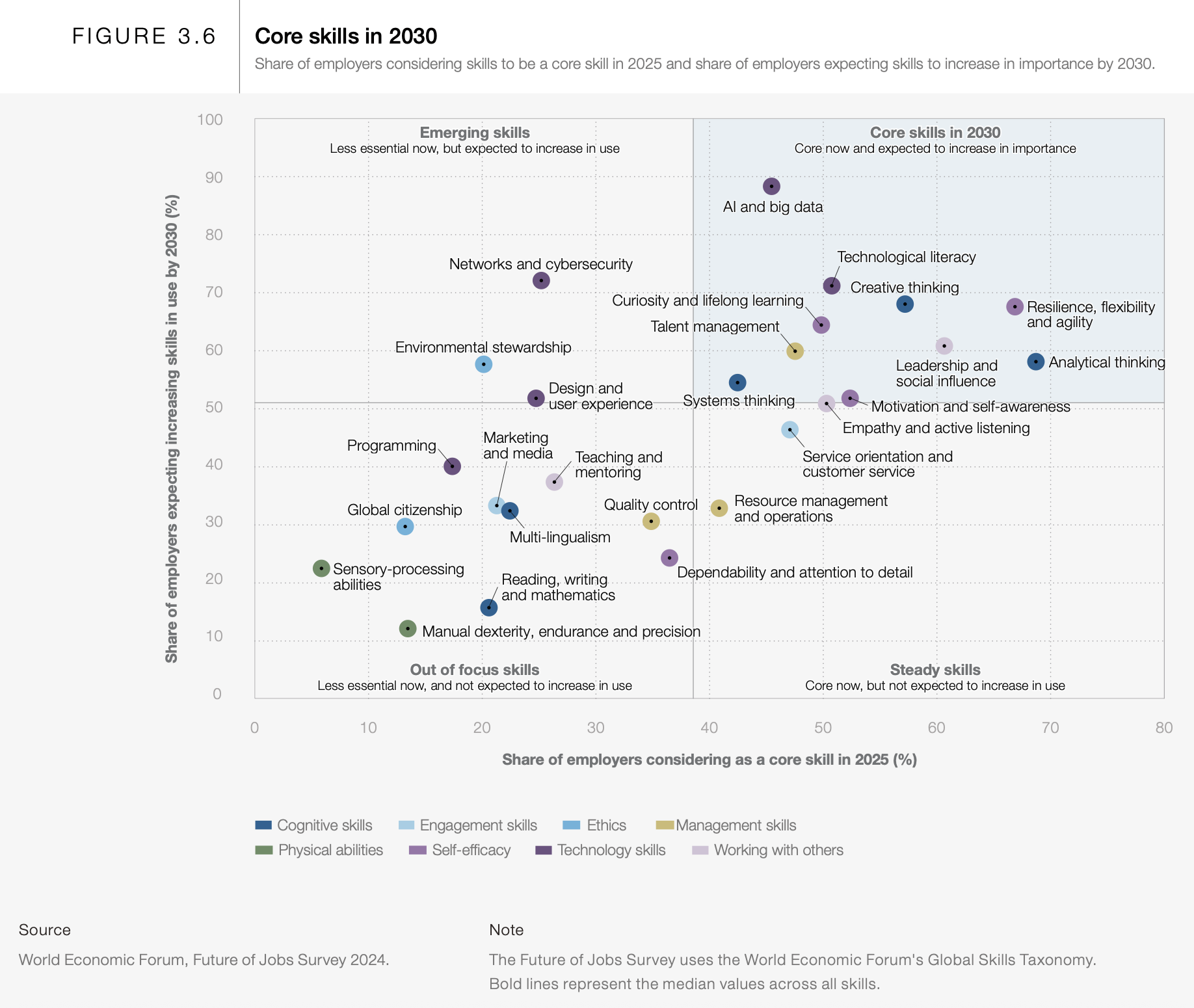
Let’s explore some of the top skills you’ll need to succeed:

  • Analytical Thinking: Sharpen your ability to evaluate information, solve complex problems, and make data-driven decisions.
  • Resilience, Flexibility, and Agility: Embrace change, adapt quickly to new situations, and bounce back from setbacks.
  • Leadership and Social Influence: Inspire and motivate others, communicate effectively, and build strong relationships.

These aren’t just buzzwords; they’re the keys to unlocking future opportunities. Invest in developing these skills today, and you’ll be well-prepared to navigate the changing landscape of work and achieve your career goals. Where can you go to learn? Try LinkedIn Learning.

#FutureofWork #Skills2030 #CareerDevelopment #WorldEconomicForum

Want to read on? Check out the Future of Jobs Report 2025

Thanks for joining me. Let’s keep the conversation going. Our future depends on it.

Join the Leadership | Learning | Innovation conversation at sashaphilosophy.com.
Forget “Soft” Skills: It’s all about Power Skills

Power Skills are Game Changers.

Let’s be honest, the term “soft skills” has never done these crucial abilities justice. It makes them sound fluffy and less important than those technical “hard skills.” But here’s the thing: communication, problem-solving, adaptability – these aren’t just nice-to-haves, they’re absolute game-changers.

That’s where the concept of “power skills” comes in. This shift in language reflects the growing recognition that skills like empathy, collaboration, and critical thinking are what truly drive success in today’s rapidly changing world.

Why Power Skills Matter

  • Adaptability: Technology is evolving at breakneck speed, and power skills allow you to keep up. The ability to learn new tools, pivot strategies, and roll with the changes is what separates those who thrive from those who are left behind.
  • Communication: Collaboration is the lifeblood of modern organizations. Whether it’s influencing a team, clearly presenting ideas, or negotiating solutions, strong communication builds strong teams and strong results.
  • Problem-solving: The world is messy and complex. Power skills like critical thinking and creativity allow you to break down obstacles, find innovative solutions, and navigate challenges with confidence.
  • Emotional Intelligence: Understanding your motivations, managing your emotions, and building relationships with others is essential for success. Emotional intelligence makes you a valuable team member and an effective leader.

Making the Transition

So, how do you move from seeing these as “soft skills” to unleashing their true power?

  1. Own them: Embrace the importance of your current abilities. Recognize that they are highly sought after and essential for success.
  2. Elevate them: Identify specific ways to leverage and expand upon these skills. Seek opportunities to practice them in your work and consciously strengthen those areas.
  3. Showcase them: Don’t just talk about your power skills, demonstrate them! Highlight how they’ve helped you solve problems, build strong relationships, or adapt to change in your resume, interviews, and everyday interactions.

Power skills are the key to not just surviving in the modern workplace but truly thriving. By ditching the “soft” label, embracing their importance, and proactively developing them, you’re giving yourself a competitive advantage and setting yourself up for a long, impactful career.