Agility and the Unlit Candle

A story of disruption, resilience, and that unexpected moment when life forces you to pivot into a new version of yourself.

This video previews “Agility” on Human Being with Dr. Susan – Episode 7. Aired 11/21/25 on Sandcastle Radio, America’s Hottest Online Variety and Music Station.

Agility and the Unlit Candle: A Personal Story from My Mom

Here’s a personal story about agility—a story from my mom. It’s a story that lives at the center of my family history—my personal history. Years ago, she wrote it down and titled it “The Unlit Candle.” It’s a story about disruption, resilience, and the unexpected moments when life forces you to pivot into a different version of yourself.

1970: A New Start in Delaware
The year was 1970. My parents were brand new to Delaware—young, hopeful, starting out with a baby girl and a handful of dreams. My mom had left her job at the University of Illinois to care for me. My dad had just started his first role as a chemist at DuPont. That’s why they moved to Wilmington. Money was tight. Life was simple, but it was good. My mom planned my first birthday with absolute joy. She baked a beautiful cake, decorated it with balloons and baby toys, and placed one large candle in the center—unlit, waiting for the moment. Family came in by train. They rented chairs for the living room. It felt like the beginning of something.

The Fire
But the morning of the celebration, just before lunch, my dad said, “Hold up. I smell smoke.” He opened the apartment door, and a wall of thick black smoke poured in. In seconds, my mom grabbed me. Everyone ran out barefoot into the sunlit parking lot, watching as the fire department fought flames pouring out of the lower level. That beautiful cake never got sliced. That candle never got lit. Later that day, once the fire was out, they were allowed back in to salvage what they could. Much was destroyed—clothes, keepsakes, their few newlywed belongings. Even the wire hangers were covered in soot and had to be scrubbed by hand. My parents had no renters’ insurance, no safety net—just each other and a baby with a birthday that never happened.

Aftermath and Unexpected Generosity
My parents relocated us to a motel. My grandmother and my aunt went back home. My mother called her family, embarrassed and overwhelmed. My Aunt Judy got on a plane immediately, traveling from Illinois to help. A local professor’s parents opened their ornate home to my parents and the baby—people they’d never met, because generosity has a way of finding people who need it. Eventually, my parents moved into a small bungalow and then into the home they still live in today. One disruption after another, and yet somehow they kept finding the next right move.

The Lesson My Mom Never Wrote
That’s the part my mom never wrote explicitly—but what the story teaches: agility is born in moments you never asked for. The moments where the plan burns down, literally or figuratively, and you’re left standing in the parking lot with nothing but a baby on your hip and a cake you never got to eat.

The Meaning of the Unlit Candle
The unlit candle became more than a story. It became a truth—a celebration that didn’t happen, plans that got erased, a version of life that didn’t survive the smoke. But also this truth: some candles don’t need to be lit to change your life. That day taught my mother—and eventually me—that agility isn’t a personal trait. It’s a response pattern. A willingness to regroup when you’re exhausted, to pivot when you’re heartbroken, to rebuild when you’ve already rebuilt more times than feels fair. It’s the ability to say, “Okay, this isn’t the story we planned, but it’s the story we’re in, and we’ll write the next chapter from here.”

Glimpses of a New Beginning
The unlit candle reminds me that every disruption contains a glimpse of a new beginning—even if you don’t see it at first, even if it’s wrapped in smoke, even if it costs you more than you thought you could bear. My mom survived that season. My parents built a life from those ashes. They restored what they could. They released what they couldn’t. And they kept moving forward.

What Agility Really Looks Like
That is agility. Not glamorous. Not poetic. Not Instagram-worthy. Just steady, human, persistent movement through uncertainty. And sometimes the most powerful symbol isn’t the candle you light—it’s the candle you never got to. I’m proud of my parents. And I think part of my agility comes from that moment when we lost everything in the fire.

___________________________

Wishing you glimpses of new beginnings, even when your candle remains unlit.

Susan Hendrich, with special thanks to my amazing Mom, Virginia Hertzenberg

__________________

Explore more with Dr. Susan

Dr. Susan’s website: http://www.sashaphilosophy.com

YouTube: https://www.youtube.com/ ⁨@susanhendrich⁩ 

LinkedIn: https://www.linkedin.com/in/hendrich/

Instagram: https://www.instagram.com/hendrich/

Facebook: https://www.facebook.com/profile.php?id=61584417516967

Turn Challenge into Change

https://www.facebook.com/DeTv302/videos/237636618473247/?mibextid=zDhOQc

Turn Challenge into Change: Join ‘Human Being with Dr. Susan’ on DETV Kids!
July 2025

Emotions are a powerful force in our lives, shaping our thoughts, decisions, and actions. As parents, caregivers, and educators, it’s crucial to teach our children the importance of understanding and managing their emotions. One television show segment that beautifully explores this concept is “Human Being with Dr. Susan” on DETV Kids. In this segment, Dr. Susan guides children on a journey of self-reflection, helping them name their feelings and discover the incredible power that comes with understanding and transforming challenges into positive change.

The Power of Reflection

In our fast-paced world, we often overlook the significance of self-reflection. Dr. Susan encourages children to take a moment to pause and consider how they feel. By doing so, they gain the power to understand their emotions better and, consequently, the ability to make informed choices in response to those feelings.

We’ve all experienced moments when our emotions seem overwhelming, leading to tantrums, frustration, or withdrawal. “Human Being with Dr. Susan” offers valuable tools to help children navigate these emotional waters. When we learn to reflect on our feelings, we develop our emotional intelligence, a skill that serves us well throughout our lives.

The Path from Challenge to Change

The central theme of Dr. Susan’s segment is the transformation of challenges into positive change. Life is full of hurdles and obstacles, both big and small. For children, these challenges can be as simple as sharing toys, completing school assignments, or making new friends. Through thoughtful discussion and guided activities, “Human Being with Dr. Susan” empowers kids to view these challenges as opportunities for growth.

Dr. Susan illustrates how understanding their emotions can help children make choices that lead to positive change. Instead of reacting impulsively or giving in to negative emotions, kids learn to channel their feelings into actions that can improve their situation. This crucial life skill helps children build resilience and adaptability.

Invitation to Watch “Human Being with Dr. Susan”

Are you ready to embark on a journey of emotional discovery and transformation with your child? “Human Being with Dr. Susan” on DETV Kids offers a safe and engaging platform for kids to explore their feelings, turn challenges into change, and grow emotionally. By watching the show together, you can facilitate meaningful discussions about emotions and encourage your child to apply these valuable lessons in their daily life.

“Human Being with Dr. Susan” on DETV Kids is a remarkable television show segment that promotes emotional intelligence and resilience in children. Through self-reflection, Dr. Susan empowers kids to understand their feelings, make informed choices, and transform challenges into positive change. By watching the show with your child, you can help them develop these essential life skills and set them on a path towards emotional well-being and personal growth. Don’t miss the opportunity to join Dr. Susan on this journey – tune in to DETV Kids and embark on a voyage of self-discovery and positive change today!

Future-Proof Your Career: Core Skills You Need for 2030

What skills will you need to succeed five years from now? The future of work is rapidly evolving, and the World Economic Forum’s Future of Jobs Report 2025 highlights the crucial skills we need to thrive in 2030. According to the report, analytical thinking is the most sought-after skill, with 7 out of 10 companies considering it essential in 2025. But it doesn’t stop there. Resilience, flexibility, agility, leadership, and social influence are also crucial. What about Artificial Intelligence (AI) and big data? Yup, it’s no surprise that these elements of technological literacy will be in high demand. But among my favorites are creative thinking, curiosity, and lifelong learning, along with motivation and self-awareness. These are skills we can build today!

Let’s explore some of the top skills you’ll need to succeed:

  • Analytical Thinking: Sharpen your ability to evaluate information, solve complex problems, and make data-driven decisions.
  • Resilience, Flexibility, and Agility: Embrace change, adapt quickly to new situations, and bounce back from setbacks.
  • Leadership and Social Influence: Inspire and motivate others, communicate effectively, and build strong relationships.

These aren’t just buzzwords; they’re the keys to unlocking future opportunities. Invest in developing these skills today, and you’ll be well-prepared to navigate the changing landscape of work and achieve your career goals. Where can you go to learn? Try LinkedIn Learning.

#FutureofWork #Skills2030 #CareerDevelopment #WorldEconomicForum

Want to read on? Check out the Future of Jobs Report 2025

Thanks for joining me. Let’s keep the conversation going. Our future depends on it.

Join the Leadership | Learning | Innovation conversation at sashaphilosophy.com.

Kintsugi: The art of embracing damage.

Is it possible to be more beautiful in the broken places?

Recently, I sent a message to my friend who was struggling, in hopes of lifting her spirits.

My friend had been feeling down. Defeated. Convinced that she wasn’t capable or deserving of success. I knew better, of course. I’ve known her more than half my life. I’ve watched her rise from an aspiring writer to international best selling author. Countless reasons, I could offer, as to why she’s more than capable and perfectly deserving of success.  With indignance, I wanted to shout at her, “You’re already successful! Do you know how many people would dream to live your life for even just one day?”

I had really good intentions that day. It was a thrill, in fact, to think that I could be of help to a hero. Here was little old regular me, being asked to Help…Fix…Repair…Heal…this amazing role model of mine, who happened to be struggling. Being able to nurture and support this person who has served as a model of excellence for me for decades. Here was my chance to make a difference!

And the way I chose to help this supersuccessful person to feel better? I denied her feelings. Not a good thing, turns out.

I countered every single negative thought she was having with a reason why she was wrong and “should feel great” or “ought to forgive” herself or “was being too hard” on herself.

Thinking I was helping, actually I was making it worse. I took away her right to suffer. In fact, I teetered on the cusp of shaming her for feeling down.

With all the best intentions, I missed the whole point. She was feeling broken and needed to let the pieces fall on the floor in front of her.

Realizing that I was making things worse by only focusing on the sunny side and by denying her need to feel broken and fall apart, I suddenly remembered a concept I once heard about the importance of being able to “fall into” pain rather than simply denying it. This concept, I was now remembering, was about honoring and highlighting the broken parts. Drawing attention to the damage, even!

So, what is this radical-acceptance-like process of honoring and even highlighting our failures and broken parts?

It’s called Kintsugi, and it’s a beautiful way of turning damage into beauty.

The Japanese practice of “kintsugi” is the art of embracing damage. Check out this Kintsugi video:

“Now you shall transform to a new level, my friend. Think wabi-sabi and kintsugi: the art of embracing damage!”

Now remembering this concept of being stronger in the broken places, I stopped my barrage of “happy thoughts” and apologized mid-conversation to my friend. I acknowledged that I’d been trying to deny the fact that she felt broken. I was trying to pretend the cracks weren’t there. I told her that I’d suddenly remembered this Japanese art of Kintsugi, and that I would send her a video to illustrate the concept right away. We ended the conversation awkardly, and I seriously questioned whether I knew how to be a good friend.

Pushing past my disappointment in myself, I sent her the Kintsugi video, hoping that she was still open to my support, even after I’d botched and Pollyanna’d my way through our earlier conversation. After I sent the note and video link, I started to question myself.

“Who am I to tell this highly successful and internationally recognized thought leader how to live?”

“Why do I always appoint myself as the ambassador of all that is positive?”

“What if she resents my message and sees it as patronizing?”

There I was, spiraling to all my places in my head where my own brokenness lurks.

Worrying about how my friend might feel after I’d missed the point with her suffering, I was spinning in my own broken parts, thinking…

I’ve spent my whole life embracing the broken, the not quite, and the almost…

  • Saving birds with broken wings
  • Fixing toys with broken parts
  • Cheering for the underdog
  • Coaching those who don’t yet believe in themselves
  • Coaxing sunshine from clouds

Just as my negative self-talk was reaching a fervent pitch in my head, the phone rang.

There was my friend, laugh-crying through the phone line, telling me how she finally felt understood. The video just spoke to her. Captured her. She told me how she felt connected to this concept of embracing damage. How she IS kintsugi. How this concept of mending the broken pieces with gold and proudly displaying them was exactly what she’d needed. It was a great moment, and not just because my friend was feeling better or because I’d been able to help her. It was a great moment because she and I were creating Kintsugi in real time. We were piecing back together a set of broken shards of a conversation and making the resulting product even better than when we’d started.

I knew on that day that I would never look at broken pottery in the same way again.

Now, whenever either of us faces a rough patch in life, or when things fall apart altogether, a single word helps us both begin to put the pieces back together and to anticipate an even more beautiful outcome than the original situation could have intended.

Kintsugi.

Embracing the damage. More beautiful in the broken places.
 

Harmony Photo Challenge

Ever feel like the world is falling apart at the hands of hate? Need a ray of hope? Want to make a difference, but not sure what to do? Try the HARMONY PHOTO CHALLENGE. Try these 3 simple steps to make the world a little bit better:

  • Step 1: Take a photograph of people being good to each other
  • Step 2: Post your photo to Facebook, Instagram, SnapChat, WhatsApp, LinkedIn, or anywhere that could use some positivity
  • Step 3: Tag your photo with #harmonyphotochallenge

Let’s build a huge pile of positivity!

IMG_6453

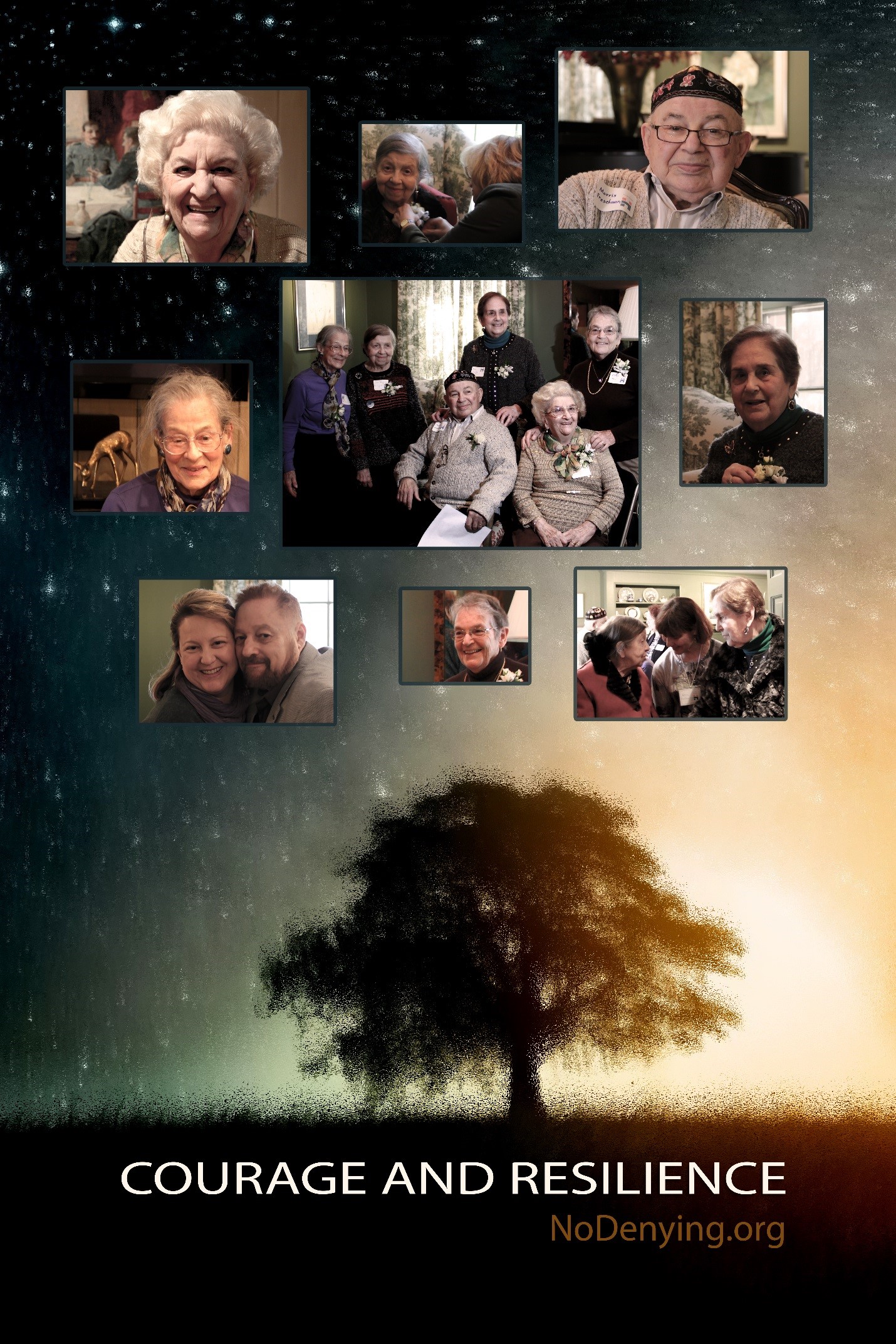
Example: In this example you can see Holocaust survivors Dorothy Finger and Morris “Freschie” Freschman chatting about the power of forgiveness. ‪#‎harmonyphotochallenge

Thank you for visiting!

Susan E. Hendrich

http://www.sashaphilosophy.com