So You Want to Sell Your Art?
Do family and friends tell you that your photography is amazing and that you should sell your photos? Are you wanting to give it a try but not too sure how to get started?
Maybe it’s time to start selling your art. But how?
There are countless ways to “be a photographer.”
There’s commercial and artistic and documentary and travel and wedding photography. Within each of these pursuits, there are endless opportunities to sell photos. Think about magazines, books, calendars, greeting cards, private collections, museums, stock photo agencies, art galleries, advertising agencies, art fairs, and more.
There’s never been a better time to show your work to a wide audience, and there are specific ways that you can maximize the opportunity for others to see your work.
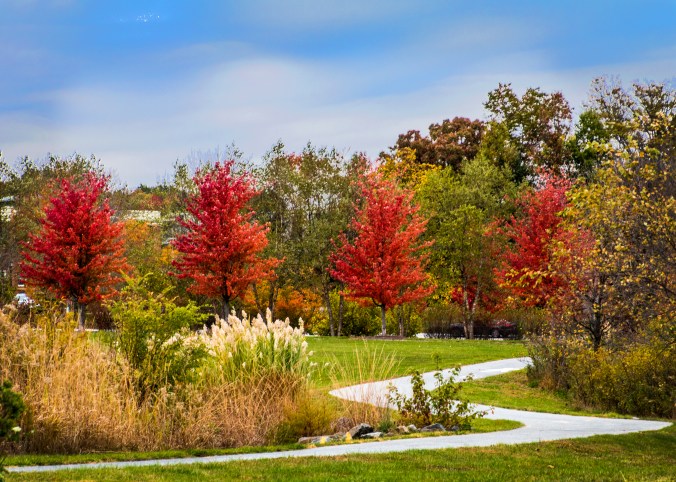
Alapocas Run, Wilmington, Delaware by Susan E. Hendrich
Opportunities for free exposure are boundless with the advent of social media. But, the market is saturated with photographers who want to sell their work for that same reason. The fine art market has always been tough to break into. It’s harder than ever to make money at it, as art is a luxury and not an easy sale in a tough economy. But, if you’re good, there is probably a market for you at the local level. Here are things to consider to test your market and see if your work will sell:
1. Create a few professional marketing tools.
A. Your Bio
To start, you should create a short biography telling who you are and what you’ve done. You’ll need an up-to-date resume. An artist’s statement is imperative in order to connect the viewer to the work – your pictures don’t always speak for themselves.
B. Your Portfolio
Build a portfolio of your work both online and offline. This portfolio should be curated carefully. Don’t pour a lifetime’s worth of photographs in front of someone. Instead, take your viewer on a journey. Think through the experience of your viewer from their perspective. Your photographic story should make sense. Leave them wanting more, not less.
Online Artwork
Start by posting (only) your best work online in a gallery with an online shopping option.
- Fine Art America is free
- Smugmug is reasonably priced and more professional looking
- Etsy has a nice photography section and touts itself as being the place where you can shop for “anything from creative people everywhere”
- Many other options exist – ask your friends where they find and buy their art
Printed Artwork
- Print a few of your very best images in a large format, then matte and frame them.
- You can also order good quality canvas prints so you don’t have to worry about framing.
C. Your Calling Card
Design and print some business cards with your contact info, gallery and/or website links, etc. If you want to include a logo mark, go for it. This simple act and small investment can do wonders for your sense of being an established photographer with real art to sell.
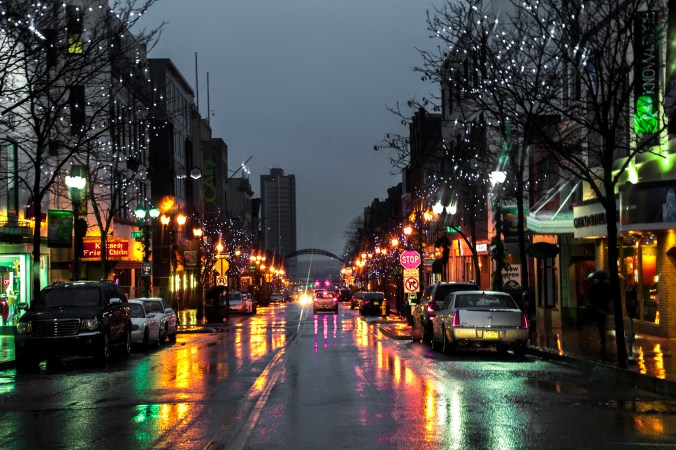
Market Street Reflections, Wilmington, Delaware by Susan E. Hendrich
2. Start Selling.
Now that you have created your online presence and a printed small inventory, it’s time to out there and sell.
- Go local. Unless you have amazing images from your last trip to India that would be a great fit in your local Indian restaurant, think locally. People like to buy images of places they know. This is especially true if you photograph those familiar places with a unique vision that make them even more interesting. They also make great gift items for visiting guests.
- Visit your neighborhood coffee shops and restaurants and ask if they would display your work for a few weeks (keep it under a month, no one will notice it after two or three weeks anyway). Most coffee shops welcome the free wall decoration and will not ask for a commission. If they do, figure it out in your price. You can also offer them a print of their choice to keep as a thank you. Make sure you leave plenty of business cards near your work so people can contact you if they are not ready to buy on the spot.
- Ask at local businesses with blank walls if they might be interested in displaying your artwork. Think about the places you go…your doctor’s office, dentist, community library, and even your local grocery store. Ask for the office manager and present a few of your images of local scenes to see if they might be interested in showing your photography.

Wilmington Flower Market, Wilmington, Delaware by Susan E. Hendrich
Shoot in your own community to create images that will sell in your hometown. These Delaware photos, shot last year, are more likely to sell here in Delaware than my images of Amsterdam. Why? They appeal to a larger audience locally.
3. Share the love.
A. Donate
Donate a framed print to a silent auction to benefit a good cause. You will help them with your contribution, get some exposure and feel really good about yourself for your donation.
B. Host a Show
Host your own show at your house or local spot! Team up with two or three other artists (jewelry artists, painters, etc.) for a fun evening. Share the cost of the beverages and snacks, combine your contact lists and have your own art show. Make sure to have a lot of ‘cash and carry’ items to sell, display some of your large prints as well. Those shows are great because the competition is minimal and people are here to shop and have a good time. Your guests will enjoy visiting with the artists and meet new friends. You can potentially make hundreds of dollars in a short period of time while having fun!
C. Join a Fair
Considering selling your photos at art fairs? Think carefully. These are often expensive to join and photography is not usually a best seller. If you go for it, make sure you have plenty of inexpensive items such as greeting cards, small matted prints, etc. Be prepared for a long day or weekend sitting around and not selling much (when you could be out there taking more pictures).
D. Pick a Card
Greeting cards sell! As paper becomes more and more a thing of the past, a beautiful greeting card becomes even more special. Create cards for different occasions. You can go on ‘greeting card photo walks’ where you capture specific subjects for different occasions (balloons for birthdays, flowers for Mother’s Day, lighted trees for Christmas, or even find heart shapes in nature for love and Valentine’s Day cards).

Flags for Homeless Veterans, Wilmington, Delaware by Susan E. Hendrich
4. Keep Learning and Growing.
You will have unique challenges to face with your art, which will be influenced by your potential market, your own personal challenges, and your audience. If you’ve been making photographs as a hobby and want to begin selling, check out a good book or website or blog to see how others have made the journey. Here are a few to consider:
- Selling Fine Art Photography: How To Market Your Fine Art Photography Online To Create A Consistent Flow Of Excited Art Buyers Who Love What You Do, by
- Sell & Re-Sell Your Photos: Learn How to Sell Your Photographs Worldwide 6th Edition, by
- Marketing Fine Art Photography 1st Edition, by Central
After making the decision to sell your photography—full-time or part-time or just once a year with a holiday calendar—be a professional photographer. Carry your business cards. Update your website. Seize the right opportunities when they present themselves. And for goodness sake, carry your camera with you. Only share work that you are truly proud of. Organize your materials and be ready to share them at a moment’s notice. Opportunity windows can be tiny.
Speak with confidence about your work. Know what you stand for and what makes your work different.
Join a creative community. Fellow artists can be your best resource and your most knowledgeable support, and most will share what works for them. Connect.

5. Repeat this line: “I can do this.”
Being a photographer is not a simple journey. When choosing this path, many do so because they have something to say, it’s a mode of expression. But fear often drives a photographer to steer their work toward the market and away from their heart. A form of success may come from this veering, but you may fulfill your need to grow and evolve as an artist. It is important to continuously pay attention to your authentic self.
What do you want your work to say? Decide what you want to capture. What do you hope to explore? Even when shooting commercial photography, you must still have your own voice. This authentically-you perspective separate you from the pack. And don’t worry if you stray for a while, if you discipline yourself to keep asking, “Where do I really want to go with this?” Your inner guide will help you get there.
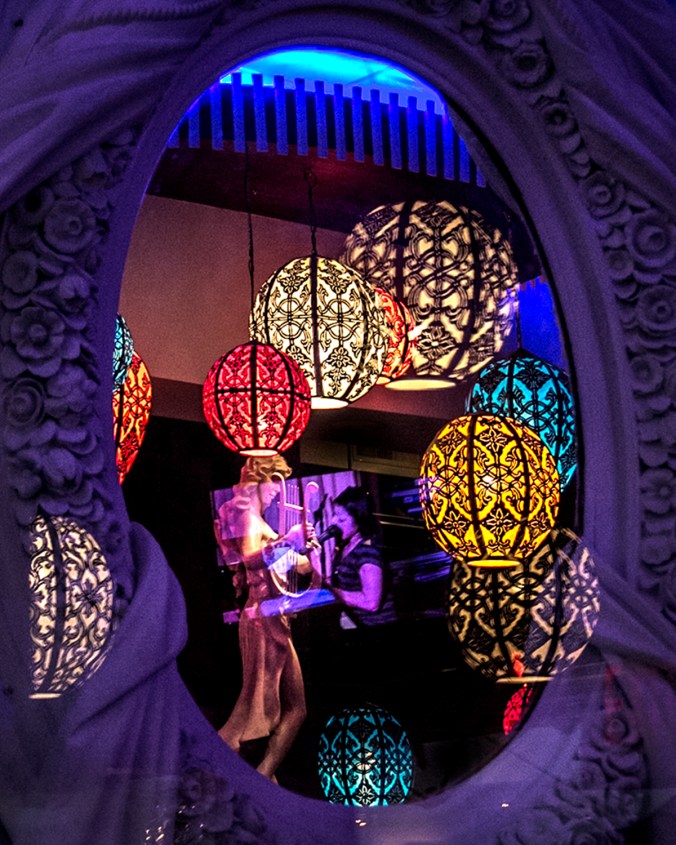
Lounge Reflections, Philadelphia, Pennsylvania by Susan E. Hendrich


 Susan E. Hendrich